
Cultural Triangle
Sigiriya
Sigiriya is a 5th-century rock fortress that rises 200 meters from the surrounding plains. This ancient wonder…
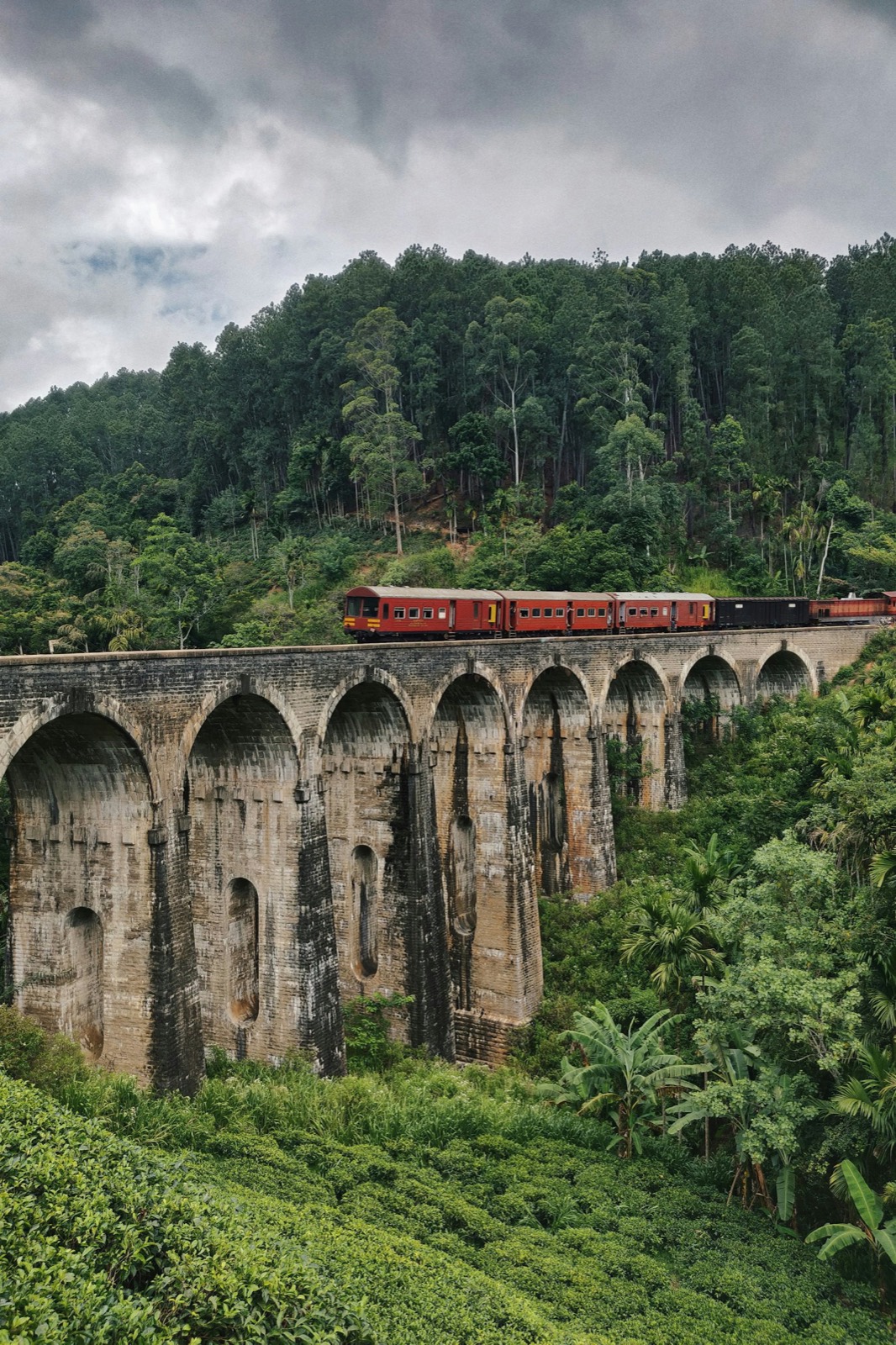
One small island, eight UNESCO sites, two monsoons, and the best train ride in Asia. Sri Lanka rewards a planned route more than almost anywhere else.
Fly into Colombo, apply for the ETA visa online before you leave, and travel the island as a loop — culture first or beaches first depending on the season. Most first-time visitors do it in 10–14 days with a local driver, using the monsoon calendar to decide which coast, and the trip planner to lock the route.
Start with the six places almost every great route is built around, then browse the full list by region.
Sigiriya is a 5th-century rock fortress that rises 200 meters from the surrounding plains. This ancient wonder…
Ella is a misty hill town cradled in the heart of Sri Lanka's tea country, where lush green plantations cascad…
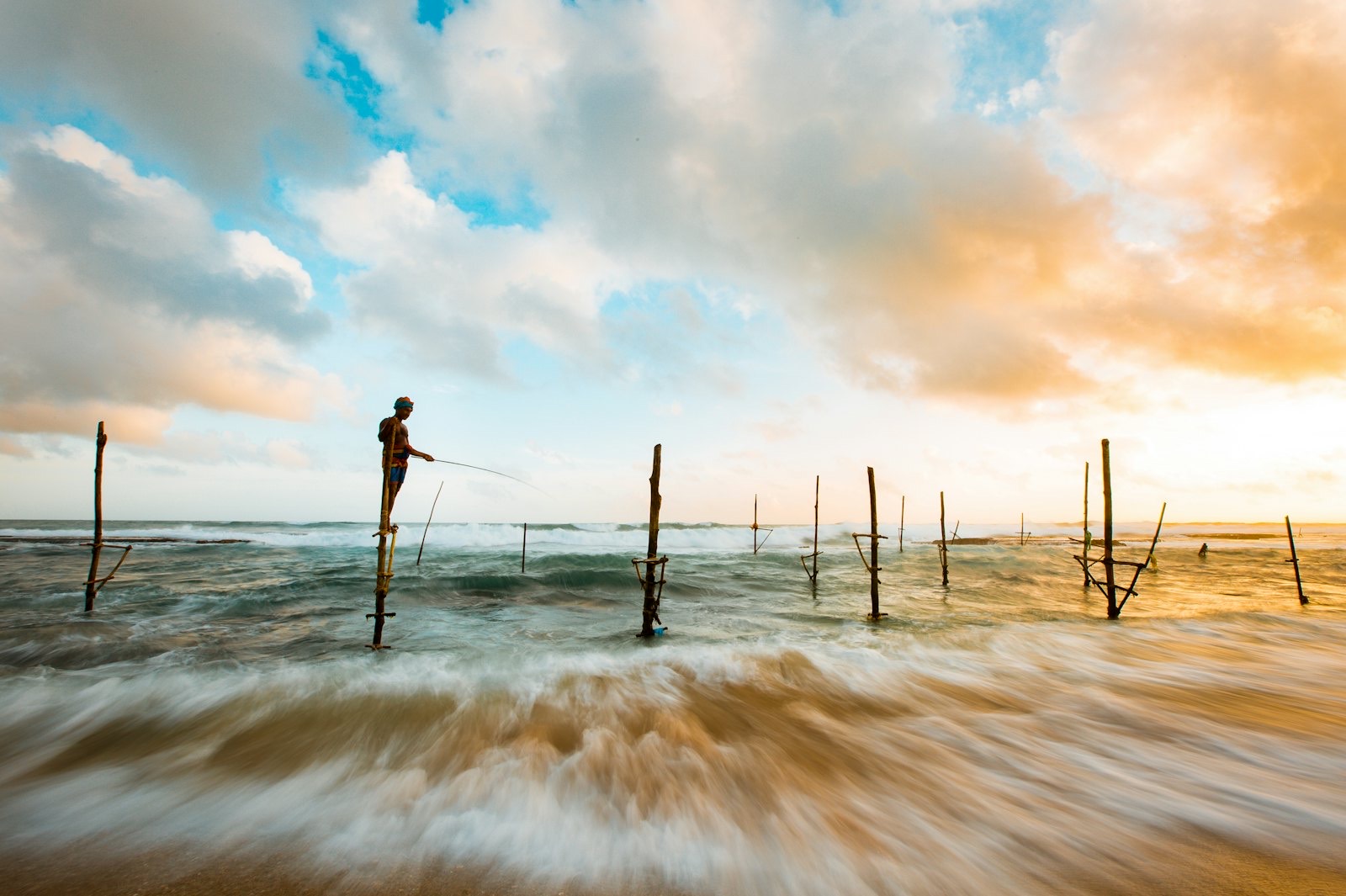
Galle Fort is a 17th-century Dutch colonial fortress that stands as one of the best-preserved fortifications i…

Mirissa is a crescent bay on Sri Lanka's southern coast, famous for blue-whale watching during December throug…
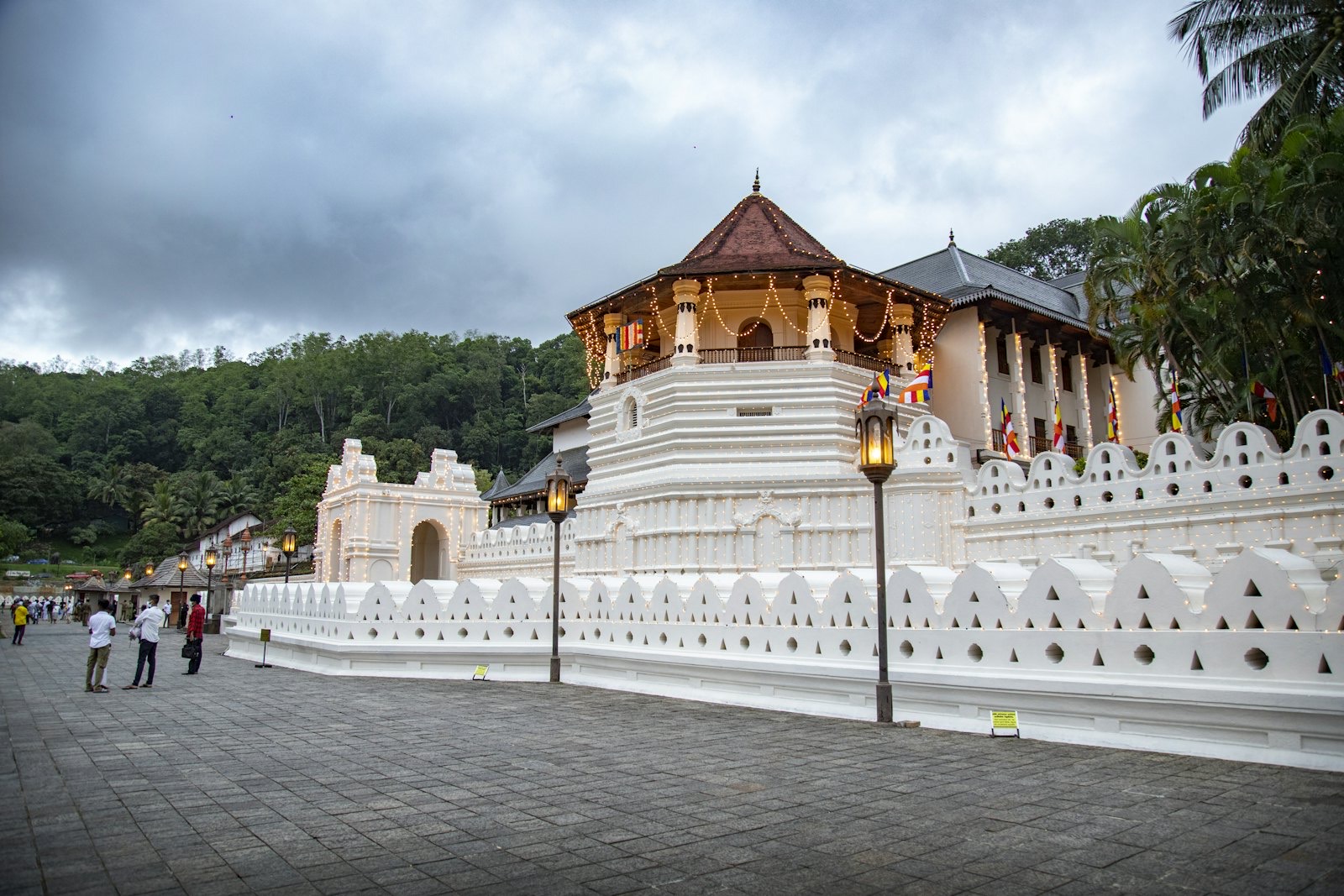
Kandy, the last royal capital of Sri Lanka, is a living temple city where Buddhism remains the pulse of daily …

Yala National Park is one of the world's oldest and most bio-diverse wildlife sanctuaries, protecting Sri Lank…
Sri Lanka has no off-season — only a wrong coast.
From December to April the south and west coasts and the hill country are dry and bright — this is peak season, and whale-watching season in Mirissa. From May to September the island flips: head east to Trincomalee, Pasikuda, and Arugam Bay. The Cultural Triangle around Sigiriya works nearly year-round. Month-by-month detail is on the seasons page.
Three proven routes our planners build most often — use them as-is or as a starting point.
Beaches, whales in season, the famous train through tea country, and the Temple of the Tooth. The best single week between December and April.
Cultural Triangle, hill country by train, a leopard safari, and the south coast — the route most first-time visitors are looking for.
Adds the sacred city of Anuradhapura and slower hill-country days. Swap the south coast for Trincomalee and the east between May and September.
Want it tailored — pace, budget, vehicle, month? Build your route in the planner or talk to a local planner.
Distances look short on the map; mountain roads make them long. Plan transport first.
The default for good reason: door-to-door, flexible stops, and a local who knows the roads. Expect roughly USD 50–70 per day including fuel. Every Modotravels route includes vetted drivers.
The Kandy to Ella line through tea estates is a destination in itself. Book reserved seats ahead in peak season, sit on the right side heading to Ella, and let your driver meet you at the other end.
Tuk-tuks are perfect for short hops — agree the fare or insist on the meter in Colombo. Local buses are the cheap, chaotic, memorable option for travellers with more time than luggage.
Most nationalities need an Electronic Travel Authorization (ETA), applied for online before arrival at the official portal eta.gov.lk. The standard tourist ETA allows a 30-day double-entry stay and can be extended in Colombo. Always check the official portal for current fees and eligibility for your passport.
There is no single season — the island has two monsoons. The south and west coasts and hill country are at their best from December to April, while the east coast shines from May to September. The Cultural Triangle is good almost year-round, so a well-routed trip works in any month.
Seven days is enough for one region done well — for example the south coast plus hill country. Ten to fourteen days lets you loop the classic route: Cultural Triangle, Kandy, the hill country by train, a safari, and the southern beaches without rushing.
The most practical way is a private car with a local driver, which typically costs less than travellers expect and turns transfer days into sightseeing days. The Kandy–Ella train is one of the most scenic rides in the world and worth building the route around. Tuk-tuks cover short local hops.
Sri Lanka is generally a safe destination and locals are famously welcoming to travellers. Take the usual precautions you would anywhere — guard valuables on busy beaches and trains, use registered drivers, and respect ocean conditions and wildlife-park rules.
Outside international flights, backpackers manage on roughly USD 30–50 per day, mid-range travellers on about USD 80–150 per day for two including a driver, and boutique trips run upwards from there. Entrance fees for major sites like Sigiriya (about USD 30) are the main fixed extras.